
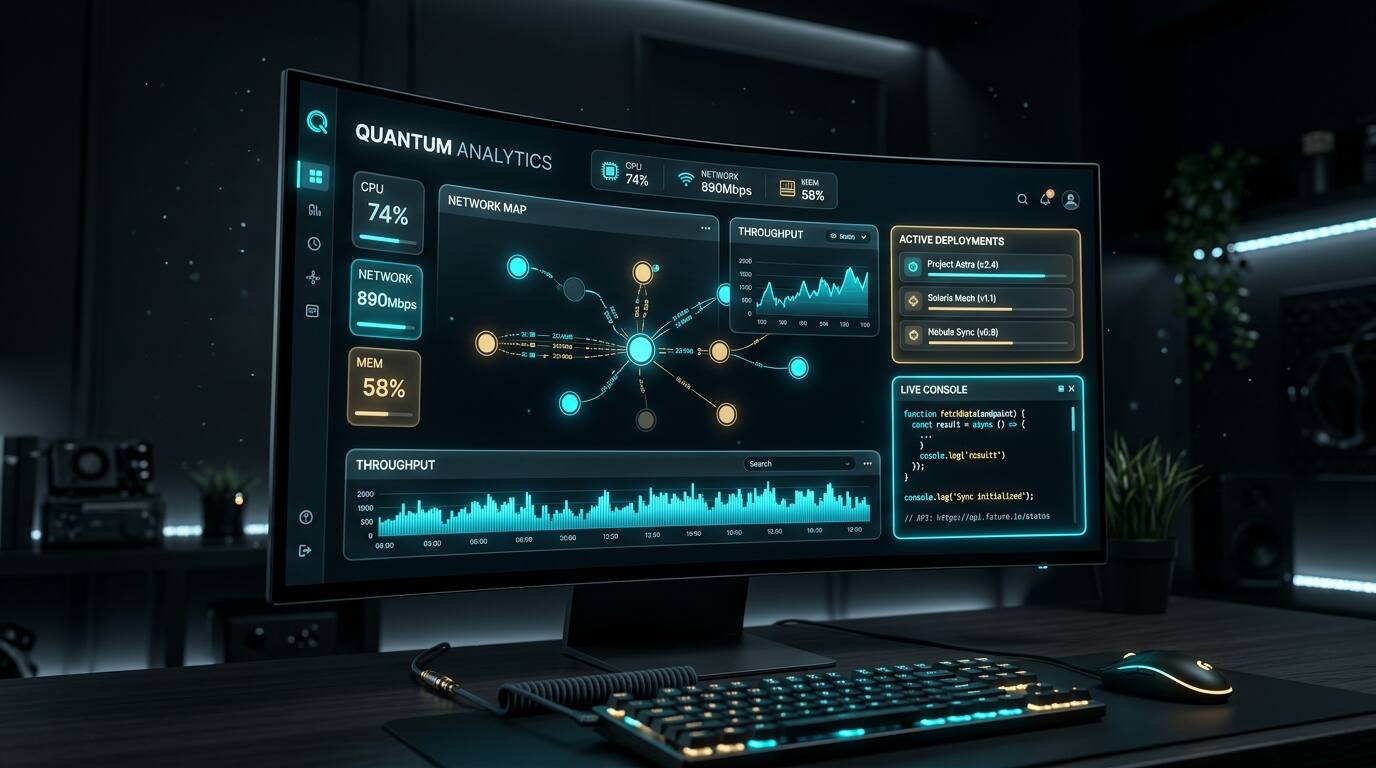
Building Modern Web Systems Across Diverse Industries
Modern businesses require custom, high-performance web applications tailored to their unique operational workflows, regulatory standards, and growth targets. Off-the-shelf site builders often falter when handling high concurrency, strict compliance frameworks, or deep third-party integrations.
1. E-Commerce & Retail Marketplaces
In the E-commerce sector, milliseconds directly correlate with revenue. For high-volume storefronts in the UK and Middle East, we built sub-second Next.js and Headless Hydrogen platforms backed by automated inventory synchronization, custom checkout extensions, and local payment gateway APIs (Stripe, JazzCash, Tap Payments). Implementing server-side rendering and edge caching resulted in a 35% increase in checkout conversions and 99.99% flash-sale uptime.
2. Telemedicine & Healthcare Systems
Healthcare web applications demand uncompromised data security and compliance with standards such as HIPAA and UK GDPR. We engineered secure patient portals and EHR synchronization systems featuring end-to-end encrypted consultations, automated appointment queues, and prescription tracking pipelines.
3. FinTech & Financial Services
FinTech platforms operate under strict audit requirements and zero-latency expectations. Our custom banking dashboards and micro-lending portals utilize multi-layered security primitives, automated KYC/AML verification hooks, and real-time transaction ledgers processing thousands of operations per second.
4. B2B SaaS & Automation Platforms
For multi-tenant SaaS products, tenant data isolation and subscription lifecycle management are critical. We delivered resilient microservice architectures built on Node.js, Next.js, and Redis, enabling automated billing cycles, role-based access controls (RBAC), and real-time analytics dashboards.
Conclusion
Engineering bespoke digital products for different industries requires combining the right technical stack—such as Next.js, React Native, Laravel, and AI Agents—with a deep understanding of local market compliance and user expectations.